
How Long Does MDMA Last? Understanding the Effects, Risks, and Recovery

What Is MDMA?
MDMA, short for methylenedioxymethamphetamine, is an illegal synthetic drug that carries both hallucinogenic and stimulant properties. Commonly referred to as Ecstasy or Molly, MDMA is known for its euphoric and energizing effects. Though often used recreationally in party or club environments, taking MDMA is far from harmless. The Drug Enforcement Administration classifies it as a Schedule I controlled substance—meaning it has no accepted medical use and a high potential for drug abuse.
MDMA increases the release of key brain chemicals—dopamine, norepinephrine, and serotonin—leading to heightened energy, sensory distortion, and intense emotional experiences. However, MDMA affects more than just your mood. It also alters body temperature, disrupts sleep, and can result in dangerous interactions with other substances like alcohol or marijuana.
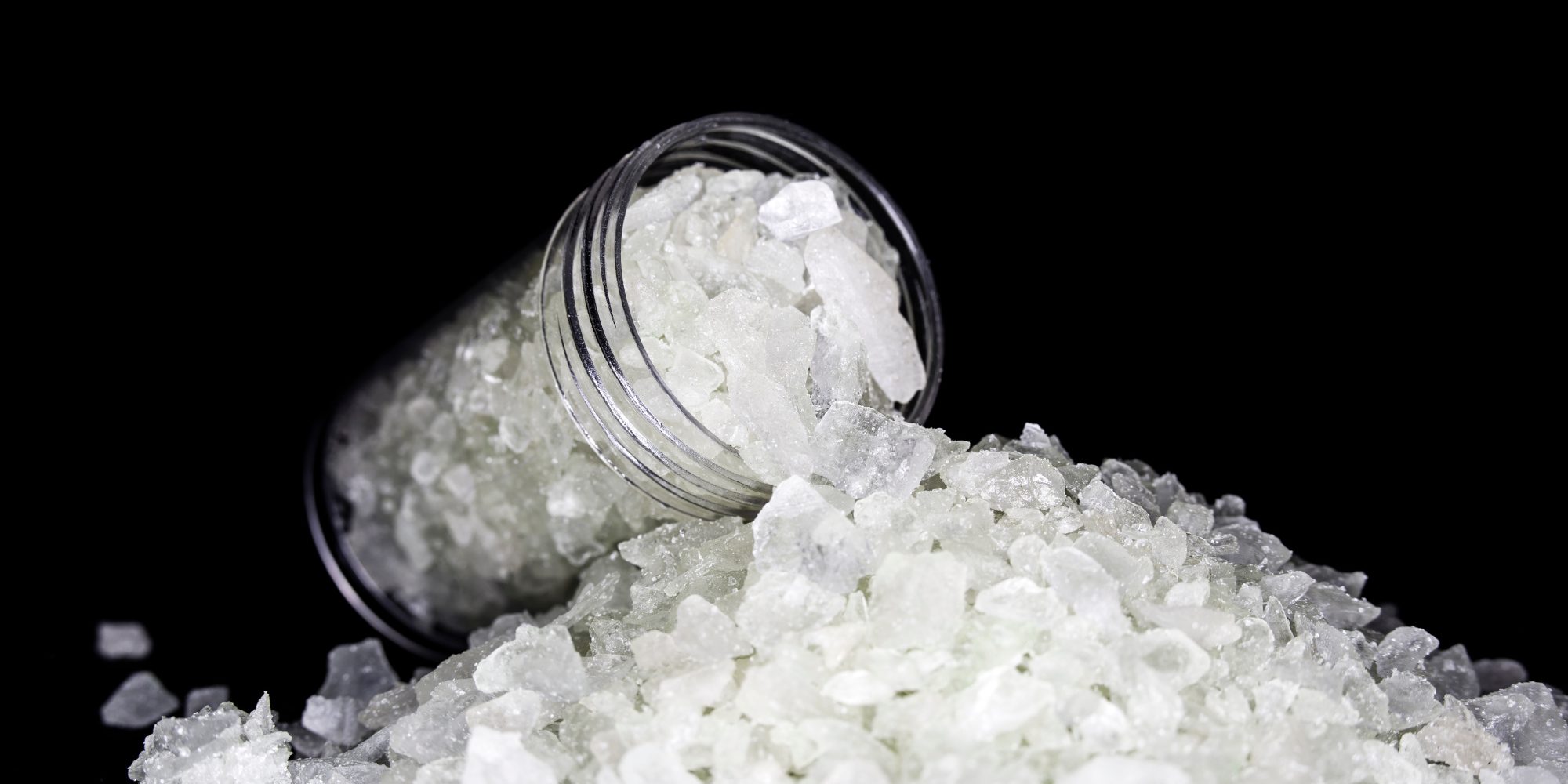
How Long Does MDMA Last in the Body and Mind?
If you’ve ever wondered, “how long does MDMA last?” the answer depends on a variety of factors—dosage, purity, method of ingestion, and whether or not other drugs were used at the same time.
Short-Term Effects of MDMA (3–6 hours)
The effects of MDMA usually begin within 30 to 60 minutes of ingestion and can last between 3 and 6 hours. During this period, a person may experience:
Euphoria
Increased sociability
Enhanced sensory perception
Increased body temperature
Jaw clenching, sweating, nausea, or blurred vision
Some people take MDMA in capsule or tablet form, while others opt for powder or liquid forms, hoping for faster results. However, combining MDMA with other substances—even caffeine or alcohol, as any alcohol rehab will tell you—can significantly increase health risks and extend the drug’s presence in the system.
How Long Does MDMA Stay in Your System?
Beyond its immediate effects, many ask: how long does MDMA linger in the body? Here’s what current data shows:
Urine: Detectable for 3–5 days after use
Blood: Present for 1–3 days
Saliva: Detectable for up to 2 days
Hair: Can remain for up to 90 days
These timelines vary depending on individual metabolism, hydration, dosage, and whether the person was taking MDMA with other drugs.

How MDMA Affects the Body
When taking MDMA, the brain floods with:
Dopamine – creates feelings of pleasure and reinforces behavior
Norepinephrine – raises heart rate and blood pressure
Serotonin – affects mood, sleep, appetite, and pain perception
Increased body temperature and dehydration are common side effects, sometimes leading to organ damage or even death if untreated. Long-term use may also contribute to anxiety, memory loss, or impaired cognitive function.
Is MDMA Addictive?
While scientists continue to study whether or not MDMA is addictive, some users experience cravings and withdrawal after stopping use—hallmarks of substance abuse. People trying to quit often report:
Withdrawal symptoms like depression, fatigue, and trouble concentrating
Loss of appetite
Mood changes, including sadness or irritability
Anxiety and disrupted sleep patterns
So while the question “is MDMA addictive?” doesn’t yet have a universally agreed-upon answer, the effects of MDMA and patterns of behavior strongly suggest it can be habit-forming—especially when used frequently or with other drugs.
Addiction Treatment for MDMA and Club Drug Use
At Serenity Light Recovery, we understand the complex nature of drug abuse, especially with substances like MDMA. Our comprehensive wellness center in Houston is designed to provide you with the tools and support you need to overcome addiction and achieve long-term recovery. Founded by Heather Ogburn Stokes and Dr. H.M. Ogburn, we’re a family-owned wellness center with a mission to offer care that nurtures the whole person.
Our addiction treatment programs offer a full continuum of care, from medical detox to holistic therapies that heal the mind, body, and spirit.
Treatment options include:
Group and individual counseling
Creative arts therapy
Spiritual advising
Equine therapy
Biosound and biofeedback
We take a personalized approach to addiction treatment, providing care that supports physical healing, making long-term emotional recovery and sustainable sober living in Texas possible. Whether you’ve experienced the effects of MDMA firsthand or are worried about a loved one, we’re here to help you build a genuinely joyful, drug-free life.
Start Your Recovery Today
Don’t wait to seek help. If you or someone you love is struggling with substance abuse involving MDMA or other substances, Serenity Light Recovery can help. Call us at (281) 431-6700 today to verify your insurance and take the first step toward a brighter future—one free from the damaging effects of taking MDMA and the long-term health risks it brings.
Start today. Find serenity in the Chaos.
FAQs About MDMA Use and Treatment
Can group therapy help with MDMA addiction?
Yes. Group therapy is an essential part of recovery for many individuals struggling with MDMA use. It provides a supportive environment where people can share experiences, develop coping skills, and stay accountable during their recovery journey.
What are the risks of MDMA use when the drug is sold illegally?
Many drugs sold as MDMA are often mixed with harmful additives or other stimulants, increasing the risk of overdose or unpredictable side effects. Because illegal drugs are unregulated, users can never be sure what they’re actually taking.
What are some of the negative consequences of MDMA use?
The negative consequences of MDMA’s effects include dehydration, high body temperature, panic attacks, memory problems, and long-term mood disorders. Evidence suggests that it can also lead to psychological distress and physical health complications like liver or kidney failure.
Can MDMA be detected through urine tests?
Yes. Urine tests can typically detect MDMA for up to 3–5 days after use. Detection time depends on factors such as dosage, frequency of use, metabolism, and whether other drugs were taken at the same time.
How does MDMA use impact kidney function?
One of the physical effects of MDMA use is kidney failure, especially when the drug causes overheating and dehydration. Without immediate medical supervision, this can be life-threatening.
Can MDMA cause psychological dependence?
Yes. While not all users develop a physical addiction, psychological dependence on MDMA can occur. This includes cravings, emotional reliance on the drug, and difficulty functioning without it.
Is it safe to take MDMA without medical supervision?
No. MDMA use should never occur without medical supervision—particularly because of the risk of high body temperature, cardiovascular complications, and interactions with other substances. Emergency medical care is often required when complications arise.
Do people experience visual hallucinations on MDMA?
Some individuals report visual hallucinations when taking large doses of MDMA or mixing it with other drugs. These hallucinations can be disturbing and are a sign of the drug’s impact on the brain’s sensory processing.
Can MDMA use lead to panic attacks?
Yes. Panic attacks are a possible side effect of MDMA use, especially in individuals who already struggle with anxiety or mental health conditions. The overstimulation of the nervous system can trigger fear, paranoia, and intense emotional reactions.

As our CEO, Heather’s main calling is to stay true to the vision of the organization, which is saving lives and striving to redefine statistics by raising the standard of care with evolving treatment methods. Heather studied psychology at LSU and both the main and Clear Lake campuses of the University of Houston, and she is a certified IASIS provider and CPI instructor. She’s been helping people in recovery since 2011. Heather’s motto to live by is “I am not what I’ve done; I am what I’ve overcome.”