Halal Alternatives to Substances: Managing Anxiety, Pain, and Social Stress

For many Muslims in the Houston area, maintaining faith while navigating the stresses of daily life can sometimes feel overwhelming. From balancing work, family, and community responsibilities to dealing with personal challenges, it’s not uncommon to experience anxiety and stress. The good news is that there are Halal alternatives to substances that can help manage anxiety symptoms, pain, and social stress, all while aligning with Islamic teachings.
At Serenity Light Recovery, we recognize the unique challenges that Muslim Americans face when it comes to mental health and substance use. While we are not a Muslim-specific wellness center, we are interfaith and a Muslim-friendly rehab center. We offer culturally sensitive care and make accommodations like Halal food, ensuring that our clients feel comfortable and respected throughout their healing journey.
In this blog, we’ll explore some natural remedies and Halal alternatives to substances that can be beneficial in reducing anxiety symptoms, managing pain, and improving overall well-being.
Managing Anxiety and Stress with Halal Food and Natural Remedies
In today’s fast-paced world, stress affects nearly everyone, leading to mental health problems like anxiety disorders. For Muslims, turning to substances like alcohol or drugs may seem like an easy way to cope, but it contradicts Islamic principles. Instead, there are numerous natural remedies that not only align with Halal food standards but also promote long-term wellness.
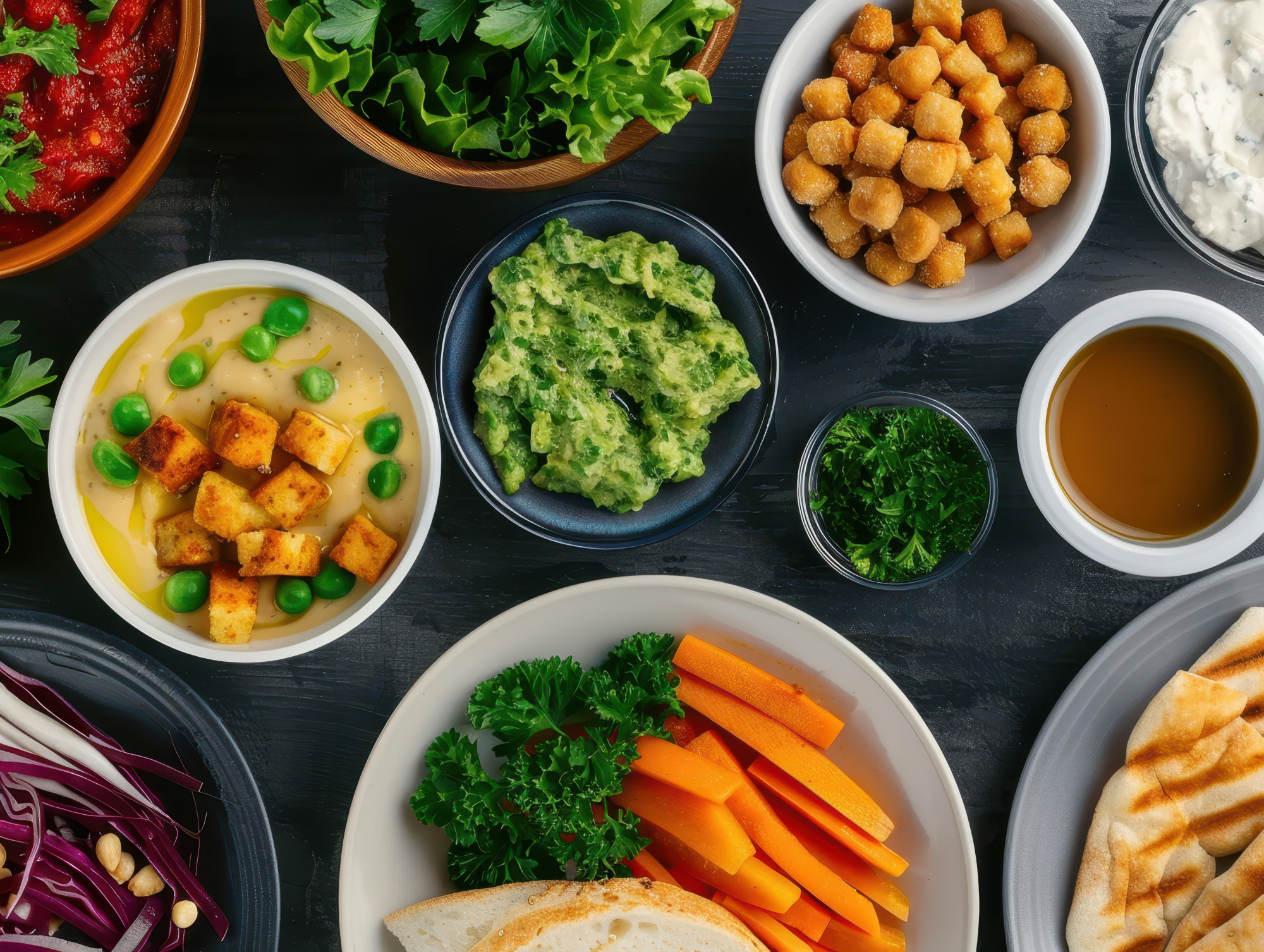
One of the best ways to manage stress is by maintaining a healthy diet. A diet rich in whole, natural foods can help regulate your mood and improve your overall mental health. Halal food, including Halal meat, fruits, vegetables, whole grains, and legumes, can nourish your body and reduce the need for processed foods that can contribute to sleep deprivation, stress response, and other health concerns.
Herbal supplements such as chamomile, lavender, and peppermint tea are great natural remedies for managing anxiety symptoms and promoting relaxation. These calming herbs can be easily incorporated into your routine and are fully Halal if sourced from reputable suppliers that follow the Halal Food Standards Alliance guidelines.
The Role of Physical Activity in Reducing Anxiety and Pain
Physical activity is another powerful tool to manage stress and improve mental health. Exercise has been shown to improve mood, reduce anxiety symptoms, and promote a healthier sleep cycle. Whether it’s a brisk walk, yoga, or any other form of physical activity, staying active is one of the most effective ways to naturally reduce anxiety symptoms and manage pain naturally.
Incorporating exercise into your daily routine can also help combat the stress affects that come from the pressures of work, social life, and other stressors. By engaging in physical activity, you improve not only your body’s fitness but also your emotional resilience, enabling you to better cope with anxiety disorders and other mental health challenges.

Deep Breathing and Mindfulness for Stress Relief
For those dealing with stress response or anxiety disorder, deep breathing and mindfulness techniques are simple, effective practices that can help reduce anxiety symptoms. When we feel anxious, our bodies go into a fight-or-flight mode, often causing physical tension and mental distress. Deep breathing exercises are a great way to calm the nervous system, reduce stress, and manage anxiety naturally.
A systematic approach to stress relief can involve incorporating mindfulness practices into your daily routine, including deep breathing, guided meditation, or even Islamic meditation (muraqabah). These practices help individuals become more aware of their thoughts and emotions, enabling them to take a step back from stressful situations and find peace within themselves.
Overcoming Unhealthy Habits with a Holistic Approach
While unhealthy habits like excessive caffeine or reliance on processed foods can worsen mental health and anxiety symptoms, it’s never too late to make changes. Stress relief and recovery from anxiety disorders often require a combination of lifestyle changes, including healthier eating, exercise, and mental wellness practices.
Incorporating natural remedies, physical activity, and a balanced Halal diet can help individuals overcome the temptation to rely on substances or unhealthy habits for stress management. By addressing environmental factors, such as stress at work or in social situations, and engaging in healthy diet practices, individuals can begin to heal from within.
Halal Alternatives for a Balanced Life
At Serenity Light Recovery, we are committed to helping our clients overcome substance use disorder, mental health problems, and anxiety disorders in a way that aligns with their faith and cultural values. While we are not a Muslim-specific wellness center, we strive to create a welcoming, interfaith environment where individuals can thrive. Our culturally sensitive approach includes Halal food, and we honor the unique needs of Muslim Americans in their recovery journey.
If you or someone you know is struggling with anxiety, pain, or substance abuse, we encourage you to explore Halal alternatives that can provide natural, faith-based support. Whether it’s through a nourishing Halal diet, physical activity, deep breathing, or mindfulness, there are many ways to manage stress and live a healthier, substance-free life.
Contact Serenity Light Recovery today to learn how we can support you in your journey toward healing, well-being, and a renewed sense of peace.
FAQs For Halal Alternatives to Substances
1. How do eating habits affect emotional well-being?
Eating habits play a significant role in emotional well-being. Research has shown that a diet rich in complex carbohydrates, such as whole grains, fruits, and vegetables, can improve mood and cognitive function. Conversely, poor eating habits, such as relying on highly processed foods, may contribute to tense muscles, stress, and emotional well-being issues. By following balanced eating habits that align with Islamic guidelines, individuals can enhance both their physical and mental health.
2. Can talk therapy help with ease stress and relaxation techniques?
Yes, talk therapy is an effective way to manage stress and anxiety. It allows individuals to explore their emotions, identify risk factors, and develop strategies to ease stress. Relaxation techniques, such as mindfulness, breathing exercises, and guided meditation, are often incorporated into therapy to help reduce tension and promote a good night’s sleep.
3. How can a good night's sleep impact stress and overall health?
A good night’s sleep is crucial for managing stress and maintaining emotional well-being. Sleep plays a vital role in recovery from both physical and mental stress. Sleep quality affects mood regulation, cognitive function, and the body’s ability to handle tense muscles caused by anxiety. Research suggests that improving sleep habits can significantly reduce risk factors for mental health problems, such as anxiety and depression.
4. What relaxation techniques can help reduce stress and improve well-being?
Relaxation techniques such as deep breathing, progressive muscle relaxation, and guided imagery can be highly effective in reducing stress. These methods help release tense muscles and promote a sense of calm. Incorporating relaxation techniques into daily routines can ease stress, improve sleep quality, and support emotional well-being.
5. How do eating habits contribute to stress management?
The foods you consume can have a direct impact on your body’s ability to cope with stress. For instance, complex carbohydrates can help regulate blood sugar levels, provide sustained energy, and improve mood. By following a diet aligned with Islamic guidelines, such as choosing Halal food, and avoiding excessive caffeine or sugar, individuals can help ease stress and maintain better emotional well-being.
6. What is the role of sleep quality in managing stress and anxiety?
Sleep quality is directly linked to how well the body can recover from stress. Poor sleep can exacerbate anxiety symptoms and increase risk factors for developing stress-related health issues. By improving sleep habits and creating a relaxing bedtime routine, individuals can enjoy better sleep quality, which in turn helps to manage stress and support overall emotional well-being.
7. How can the food business influence our eating habits and stress levels?
The food business often promotes processed foods that are high in sugar and fat, which can negatively affect mood and energy levels. Research suggests that a diet filled with these foods may increase tense muscles and contribute to emotional well-being issues such as anxiety and irritability. Choosing healthier options aligned with Islamic guidelines and focusing on nutrient-dense foods can reduce stress and improve overall health.
8. What risk factors contribute to stress and anxiety?
Risk factors for stress and anxiety can include poor eating habits, lack of physical activity, sleep deprivation, and exposure to stressful life events. By adopting a healthier lifestyle that includes regular exercise, balanced nutrition, and effective relaxation techniques, individuals can lower risk factors and promote better emotional well-being.
9. How does talk therapy help address risk factors for anxiety and stress?
Talk therapy helps individuals identify and address the risk factors contributing to their anxiety or stress. It provides a safe space to explore past experiences, thought patterns, and behaviors that may be exacerbating stress. Through therapy, individuals can develop coping strategies, increase emotional well-being, and use relaxation techniques to ease stress in their daily lives.
10. How can Islamic guidelines help in managing stress and anxiety?
Islamic guidelines emphasize the importance of mental peace, balanced living, and mindfulness, all of which can help in managing stress and anxiety disorder. Practices like regular prayer, deep breathing, and acts of charity promote emotional well-being and help individuals manage tense muscles and stress more effectively, aligning spiritual growth with mental and physical health.
Start today. Find serenity in the Chaos.
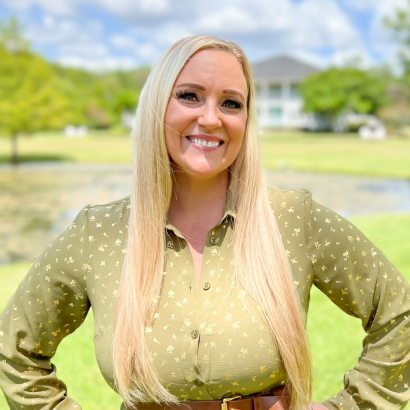
As our CEO, Heather’s main calling is to stay true to the vision of the organization, which is saving lives and striving to redefine statistics by raising the standard of care with evolving treatment methods. Heather studied psychology at LSU and both the main and Clear Lake campuses of the University of Houston, and she is a certified IASIS provider and CPI instructor. She’s been helping people in recovery since 2011. Heather’s motto to live by is “I am not what I’ve done; I am what I’ve overcome.”